
LT Power Cables Manufacturer and Supplier for Long-Lasting Performance
May 22, 2026
Aluminium Winding Wires Manufacturer | Best Quality Winding Wires in India
May 26, 2026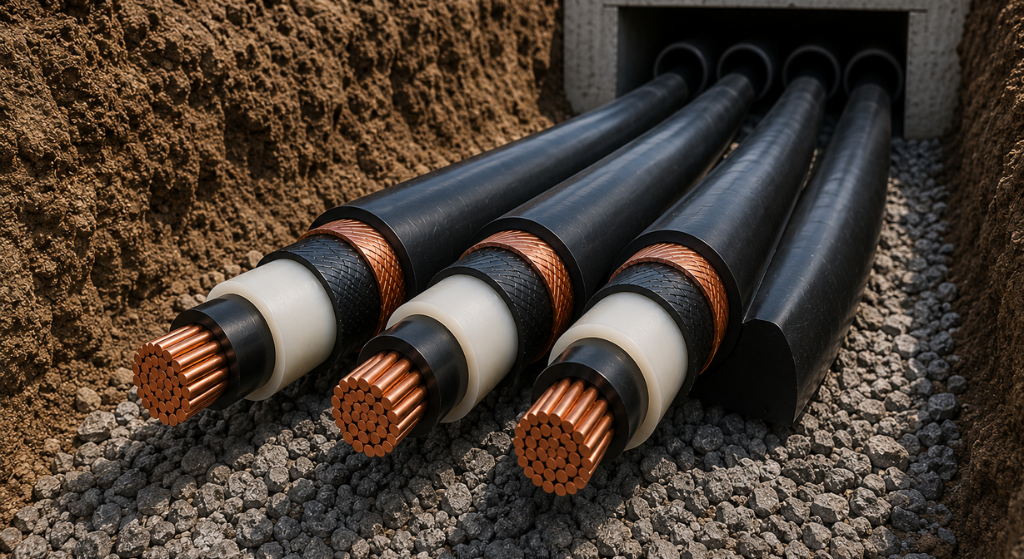
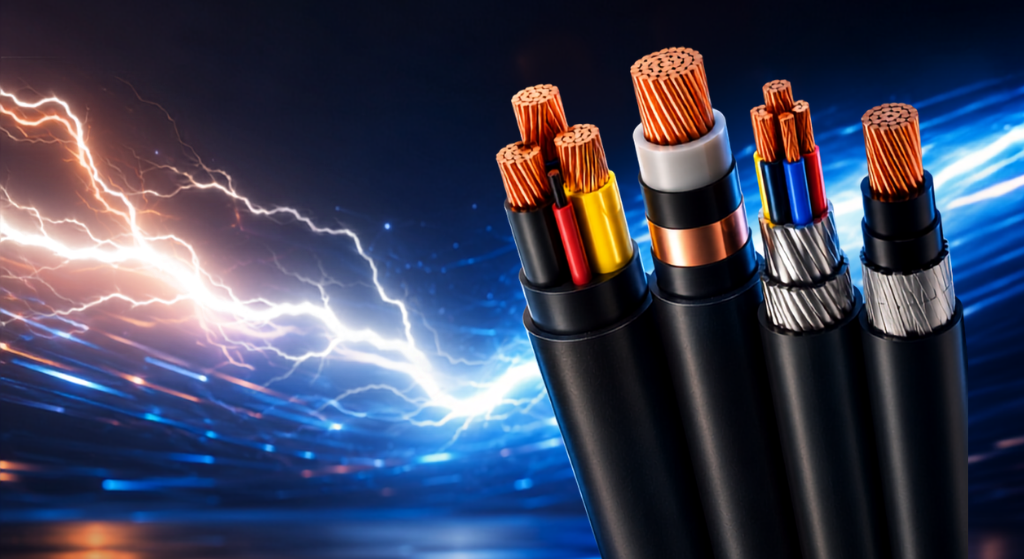
Electricity is very important for homes, industries, offices, and commercial buildings. Safe and reliable power transmission is necessary for smooth operations. In modern electrical systems, underground wiring is becoming more popular because it offers better safety, protection, and a clean appearance. One of the most important products used in underground power systems is H.T Cables. These cables are specially designed to carry high voltage electricity safely over long distances.
What Are Underground H.T Cables?
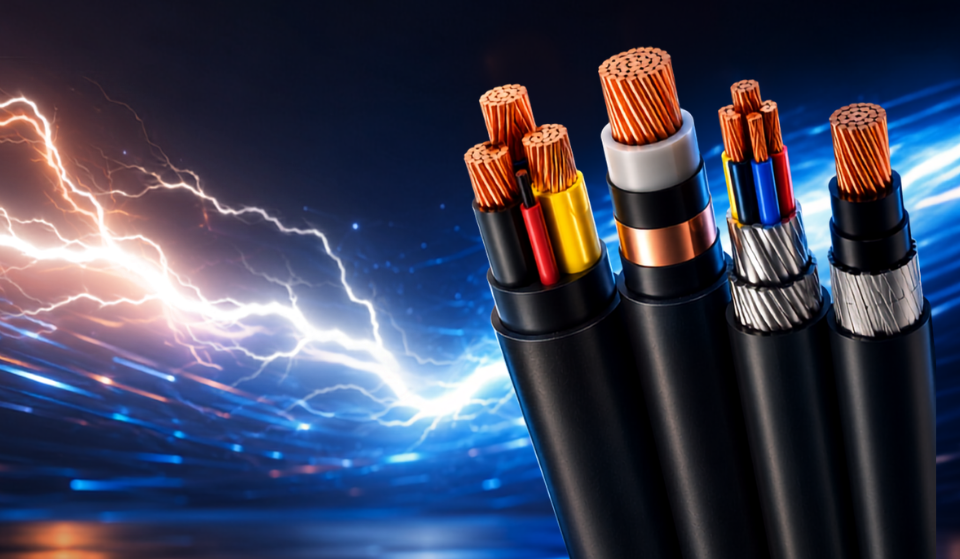
underground H.T cables are high-tension power cables installed below the ground for safe and efficient electricity transmission. These cables are made with strong insulation materials that protect them from moisture, heat, pressure, and environmental damage. They are commonly used in industrial plants, commercial buildings, power stations, airports, railway systems, and city power networks.
Unlike overhead wires, underground cables are hidden below the surface, which reduces the risk of accidents and damage caused by weather conditions such as storms, heavy rain, or strong winds.
Important Features of Underground H.T Cables
Feature | Description |
Voltage Capacity | Suitable for high-voltage power transmission |
Installation Type | Installed underground for better safety |
Insulation Material | XLPE or PVC insulation for protection |
Durability | Resistant to moisture, heat, and pressure |
Safety | Reduces electrical hazards and accidents |
Maintenance | Requires less maintenance compared to overhead lines |
Application Areas | Industries, commercial projects, power plants |
Performance | Provides stable and efficient power supply |
Importance of Underground Wiring
Underground wiring is becoming a preferred choice in many areas because it offers several advantages over traditional overhead systems. Cities and industries are choosing underground electrical systems for better safety and improved appearance.
- Improved Safety
Underground cables reduce the chances of electric shocks, fire hazards, and accidents. Since the cables are buried under the ground, people and animals cannot come into direct contact with them.
- Protection from Weather
Overhead cables can get damaged during storms, lightning, or heavy winds. Underground systems remain protected from harsh weather conditions, ensuring uninterrupted power supply.
- Better Appearance
Underground wiring improves the visual appearance of roads, buildings, and commercial areas because there are no hanging wires or poles.
- Reliable Performance
Underground systems provide stable electricity transmission with fewer interruptions and lower maintenance requirements.
Benefits of Using H.T Cables
High-tension cables play an important role in modern electrical infrastructure. Their advanced design and strong insulation make them suitable for heavy-duty applications.
High Power Carrying Capacity
These cables are designed to transmit high voltage electricity efficiently. They can handle large electrical loads without affecting performance.
Strong Insulation
The insulation used in H.T cables protects them from electrical leakage, heat, and environmental damage.
Long Service Life
Quality H.T cables are highly durable and can last for many years with proper installation and maintenance.
Low Maintenance
Compared to overhead transmission systems, underground cables need less maintenance, which saves time and cost.
Energy Efficiency
These cables help reduce power loss during transmission, improving overall energy efficiency.
Applications of Underground H.T Cables
underground H.T cables are widely used in different industries and infrastructure projects because of their safety and efficiency.
Industrial Plants
Factories and manufacturing units use underground H.T cables to ensure uninterrupted power supply for heavy machinery.
Commercial Buildings
Large shopping malls, offices, and commercial complexes use underground wiring for safe electricity distribution.
Power Distribution Networks
Electricity boards and power companies use underground H.T cables in urban areas for reliable power transmission.
Airports and Railways
Transport infrastructure projects require secure underground wiring systems for smooth operations.
Residential Projects
Modern residential townships also use underground electrical systems for better safety and appearance.
Materials Used in H.T Cables
Different materials are used in the manufacturing of H.T cables to improve strength, safety, and performance.
Material | Purpose |
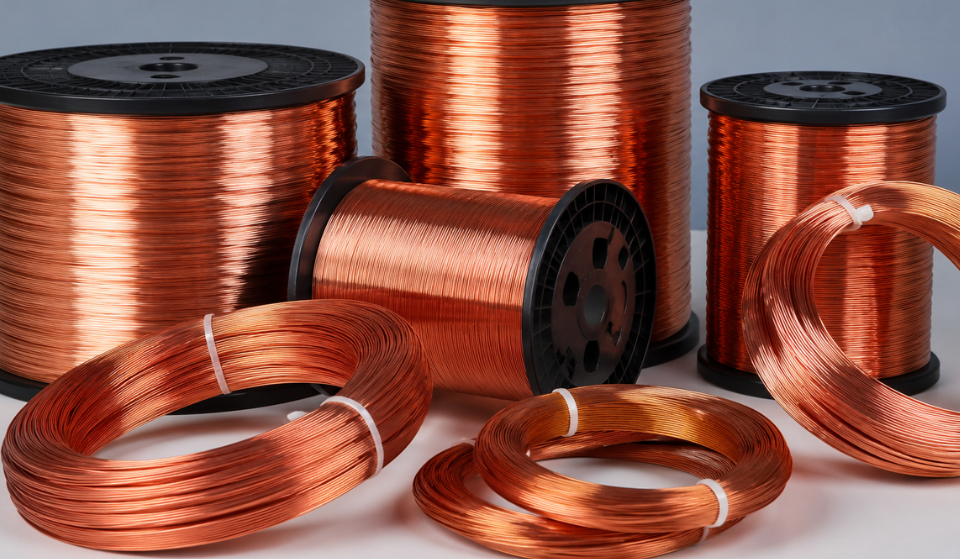
Copper | Excellent electrical conductivity |
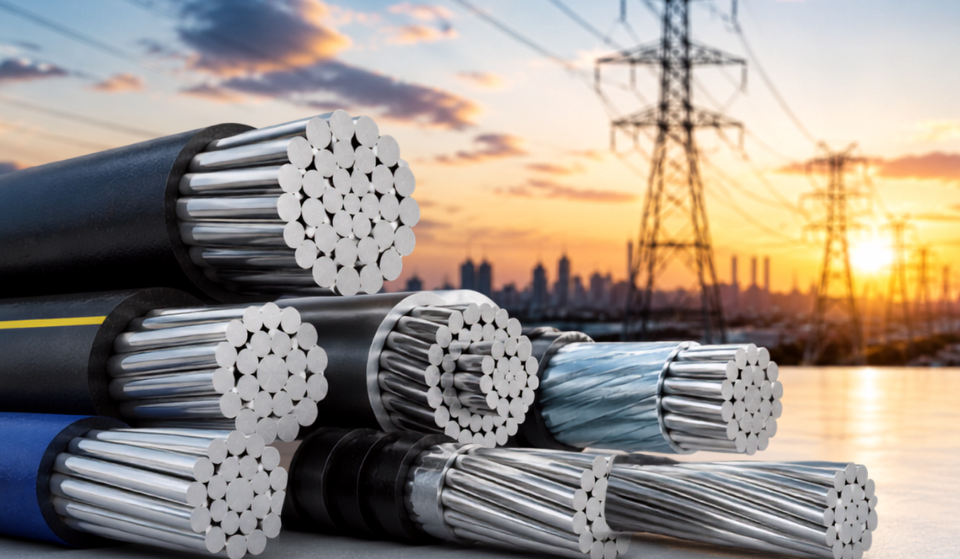
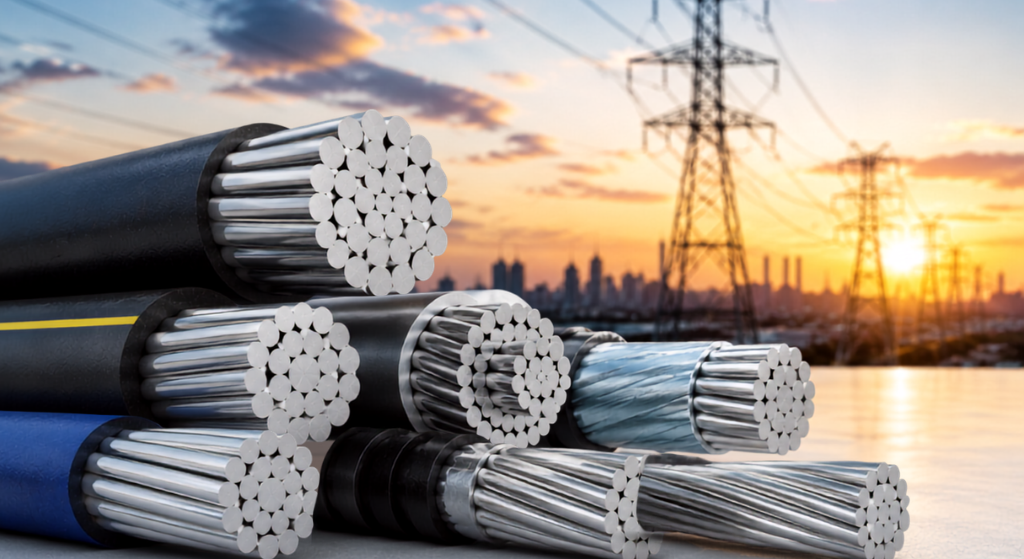
Aluminium | Lightweight and cost-effective conductor |
XLPE Insulation | Heat and moisture resistance |
PVC Sheathing | Outer protection against damage |
Armouring | Mechanical protection for underground installation |
Why Choose Underground H.T Cables?
There are many reasons why industries and power projects prefer underground cable systems.
Reduced Risk of Power Failure
Underground cables are less affected by weather conditions, reducing the chances of power cuts.
Better Security
Buried cables are protected from theft, vandalism, and accidental damage.
Environment-Friendly Solution
Underground systems reduce visual pollution and support modern urban planning.
Efficient Power Distribution
These cables ensure smooth and continuous electricity transmission in critical applications.
Installation of Underground H.T Cables
Proper installation is very important for the long life and performance of underground cables.
Site Preparation
The installation area is checked carefully before laying cables underground.
Cable Laying
The cables are placed inside trenches or ducts for extra protection.
Protective Covering
Sand, bricks, and protective layers are used to protect the cables from external damage.
Testing
After installation, electrical testing is done to ensure safe operation.
Maintenance Tips for H.T Cables
Even though underground cables require less maintenance, regular inspection is still important.
- Check for moisture and insulation damage regularly.
- Inspect joints and connectors properly.
- Avoid overloading the cables.
- Perform electrical testing at regular intervals.
- Use quality materials during installation and repair.
Future of Underground Cable Systems
The demand for underground electrical systems is increasing rapidly due to urban development and growing industrialization. Smart cities, modern infrastructure, and renewable energy projects are creating higher demand for advanced underground cable solutions.
Today, manufacturers are developing stronger and more energy-efficient cables to meet future power transmission requirements. With better insulation technologies and improved safety standards, underground H.T cable systems will continue to play an important role in power distribution networks.
Conclusion
H.T Cables are an essential part of modern underground electrical systems. They provide safe, reliable, and efficient power transmission for industries, commercial buildings, transport systems, and residential projects. Underground wiring offers better protection from weather, improved safety, and reduced maintenance compared to overhead systems.
Choosing high-quality underground H.T cables helps ensure long-term performance, energy efficiency, and uninterrupted power supply. As infrastructure development continues to grow, underground cable systems will become even more important for secure and stable electricity distribution.
FAQs
Underground H.T cables are used for high-voltage electricity transmission in industries, commercial buildings, power stations, and urban infrastructure projects.
Underground cables are buried below the ground, reducing the risk of accidents, electric shocks, and weather-related damage.
Most H.T cables use XLPE or PVC insulation for protection against heat, moisture, and electrical leakage.
Yes, these cables are designed to withstand harsh environmental conditions and provide long service life.
Underground wiring offers better safety, improved appearance, reduced maintenance, and reliable power transmission.
Where are underground H.T cables commonly installed?
Tag:-underground H.T cables , H.T Cables