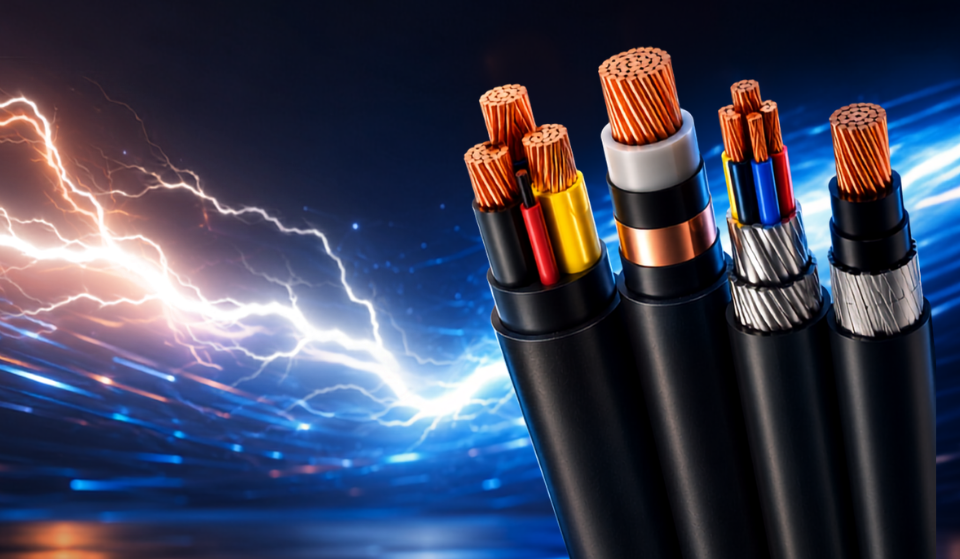
What are the benefits of XLPE-insulated LT Power Cables?
June 23, 2026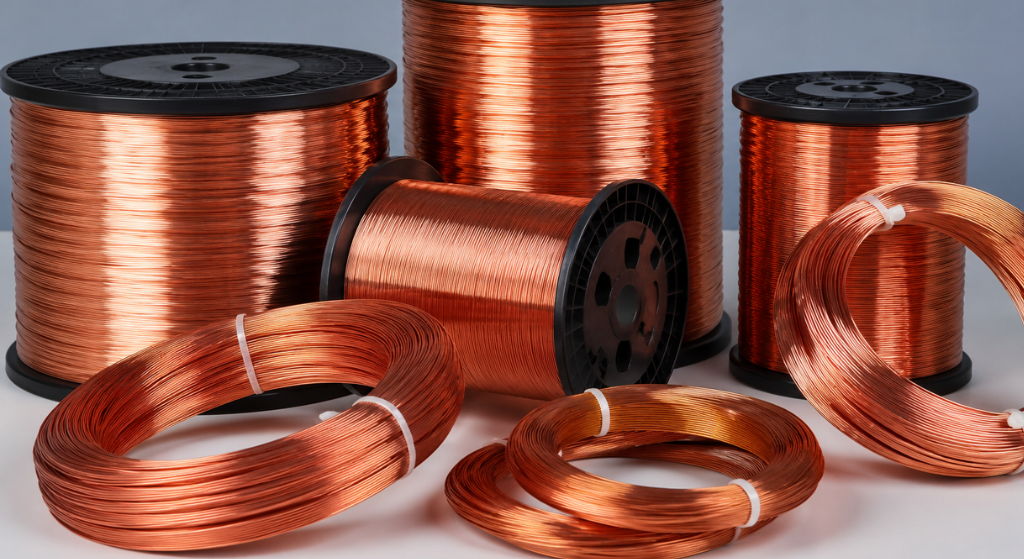
Have you ever looked inside a motor, transformer, or generator and wondered what makes it work? The answer is simple — wires wound in a specific way around a core. These are called winding copper wires, and they are one of the most important parts of many electrical machines and devices.
In this guide, we will explain everything about winding copper wires in simple language. We will cover what they are, why they are used, the different types, and where they are used in daily life.
What Are Winding Copper Wires?
Winding copper wires are copper wires that are wrapped or coiled around a core — usually made of iron or steel. This coiling process is called “winding.” When electricity passes through these coiled wires, they create a magnetic field. This magnetic field helps machines do work — like spinning a motor or changing voltage in a transformer.
Copper is one of the best metals for this job because it carries electricity very well. It has low resistance, which means less energy is wasted as heat.
Why Use Copper for Winding?
Copper has been used in electrical winding for many decades. Here is why it is so popular:
- High electrical conductivity — Copper allows electricity to flow easily and efficiently.
- Flexible and easy to work with — Copper wires can be bent and shaped without breaking.
- Durable — Copper lasts a long time, even under heat and pressure.
- Good heat resistance — It can handle higher temperatures compared to many other metals.
- Reliable performance — Machines wound with copper wires tend to be more efficient and long-lasting.
These qualities make copper the top choice for winding in motors, transformers, and other electrical equipment.
Types of Winding Copper Wires
There are several types of winding copper wires. Each type is designed for a specific use:
- Enamelled Copper Wires
These are the most common type. The copper wire is coated with a thin layer of enamel (a special insulating paint). This coating stops the wire from short-circuiting when the coils touch each other. Enamelled wires are used in motors, transformers, and coils.
- Paper-Covered Copper Wires
These wires are wrapped in paper for insulation. They are mostly used in large transformers and power distribution equipment. The paper helps the wire handle high voltage safely.
- Bare Copper Wires
These have no coating. They are used in situations where insulation is not needed, like grounding or earthing systems.
- Rectangular or Flat Copper Wires
Instead of round, these wires have a flat or rectangular shape. They are used in large motors and generators where more copper needs to fit in a small space.
- Continuously Transposed Conductors (CTC)
These are bundles of flat copper wires twisted together. They are used in very large power transformers to reduce energy loss.
Aluminium Wires — An Alternative Option
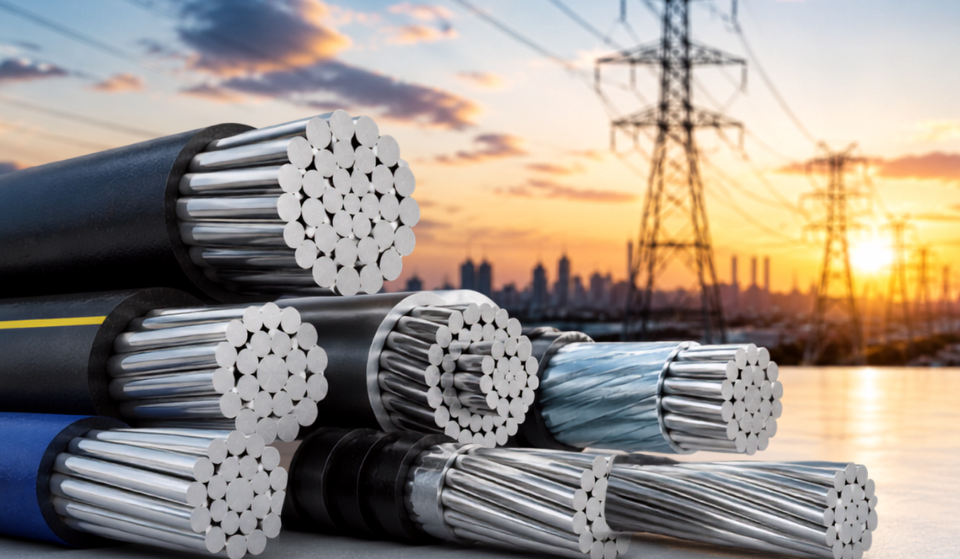
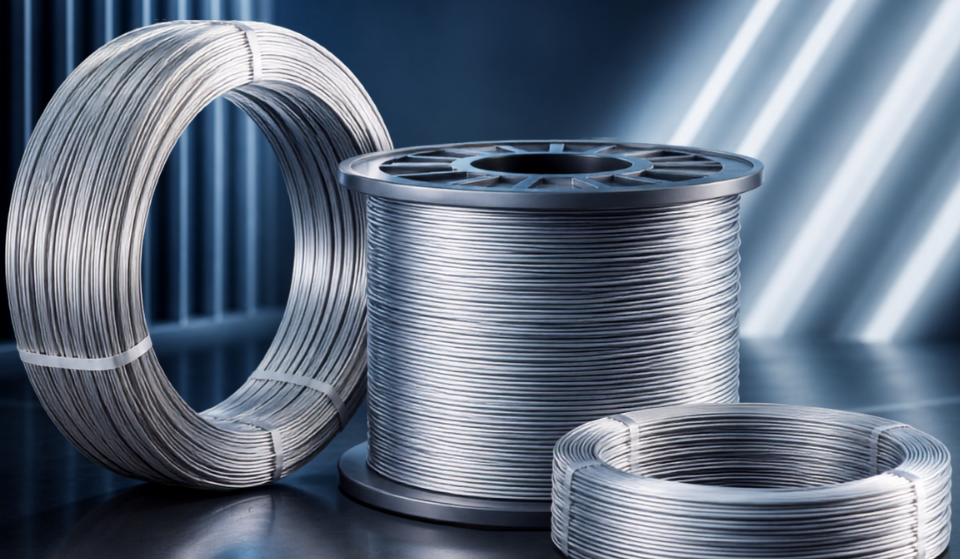
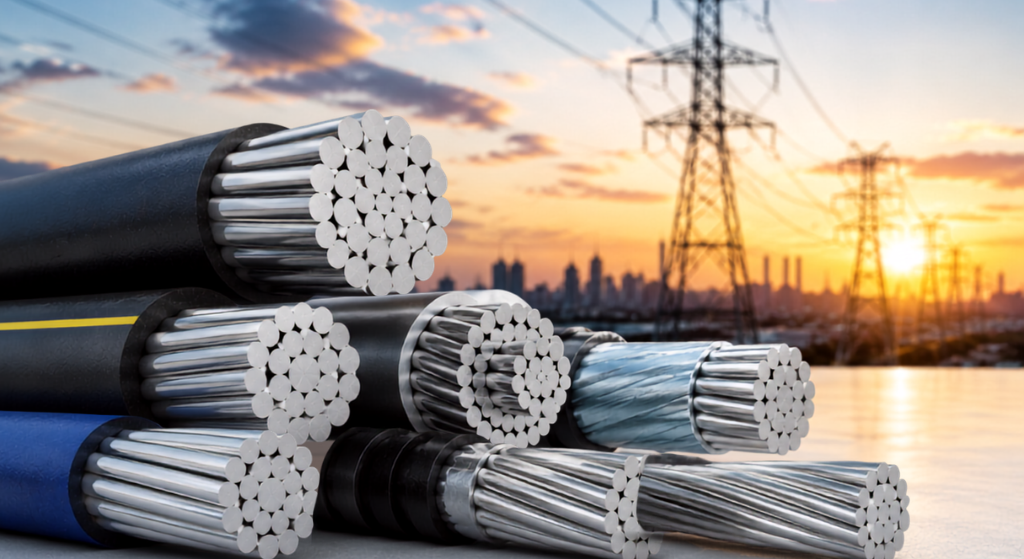
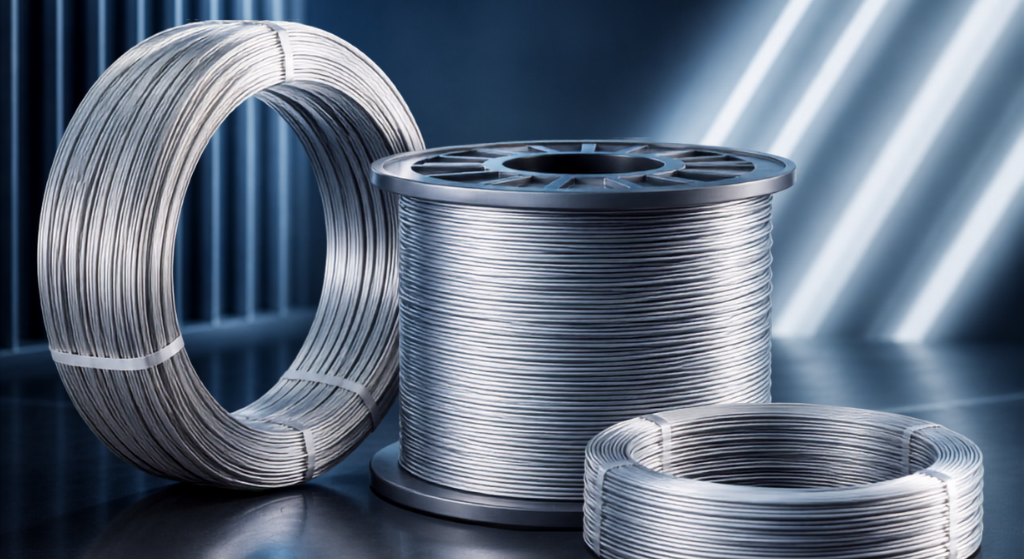
While copper is the most popular choice, aluminium wires are also widely used in winding applications. Aluminium is lighter and less expensive than copper. It is a good option when weight and cost are important.
However, aluminium has lower conductivity than copper. This means you need a thicker aluminium wire to carry the same amount of current as a thinner copper wire. Still, for many large-scale projects — especially in power transmission and distribution — aluminium wires offer a cost-effective solution.
If you are looking for quality aluminium winding products, choosing a reliable aluminium winding wires manufacturer is very important. A good manufacturer ensures the wires meet proper standards for insulation, thickness, and conductivity. This directly affects the safety and performance of the final product.
Where Are Winding Copper Wires Used?
Winding copper wires are used in almost every industry. Here are some common applications:
- Electric Motors — In fans, pumps, compressors, and industrial machines
- Transformers — In power stations, substations, and home appliances
- Generators — For producing electricity in power plants and backup systems
- Inductors and Coils — In electronic circuits and radio equipment
- Automobiles — In starter motors, alternators, and electric vehicles
- Home Appliances — In washing machines, refrigerators, air conditioners, and mixers
- Renewable Energy — In wind turbines and solar inverters
How to Choose the Right Winding Wire
When choosing a winding wire, keep these points in mind:
- Conductivity — Higher is better for efficiency
- Insulation type — Match it to the voltage and temperature of your application
- Wire shape — Round for small motors; flat for large machines
- Material — Copper for performance; aluminium for cost savings
- Manufacturer quality — Always buy from a trusted supplier
Conclusion
Winding copper wires are at the heart of modern electrical engineering. From small household fans to giant power transformers, these wires keep the world running. Understanding the types, uses, and benefits helps you make better choices — whether you are an engineer, buyer, or business owner.
Whether you choose copper or aluminium depends on your budget, space, and performance needs. And when it comes to aluminium options, always partner with a trusted aluminium winding wires manufacturer to get the best results.
Invest in the right winding wire today — because quality wires mean better machines, lower energy bills, and longer life for your equipment.
FAQs
Winding copper wires are used in electric motors, transformers, generators, home appliances, automobiles, and renewable energy systems. They create a magnetic field when electricity passes through them, which helps machines do their work.
Copper is preferred because it has very high electrical conductivity, meaning electricity flows through it easily with less energy wasted as heat. It is also flexible, durable, and performs reliably even under high temperatures.
Copper winding wires offer better conductivity and performance, while aluminium winding wires are lighter and more affordable. Aluminium requires a thicker wire to carry the same current as copper, but it is a popular choice for large-scale power transmission projects where cost and weight matter.
The main types include enamelled copper wires, paper-covered copper wires, bare copper wires, rectangular or flat copper wires, and continuously transposed conductors (CTC). Each type is suited for different voltage levels, machine sizes, and applications.
You should consider the required conductivity, insulation type, wire shape (round or flat), material (copper or aluminium), and the reputation of the manufacturer. Always buy from a trusted aluminium winding wires manufacturer or copper wire supplier to ensure safety and performance standards are met.