Why Aluminum Cables Are Preferred for Power Distribution
June 20, 2026
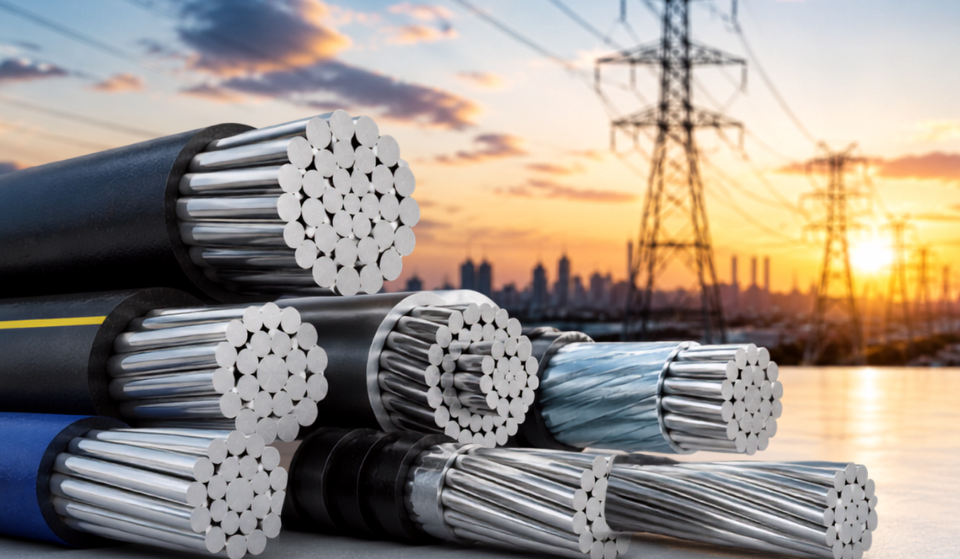
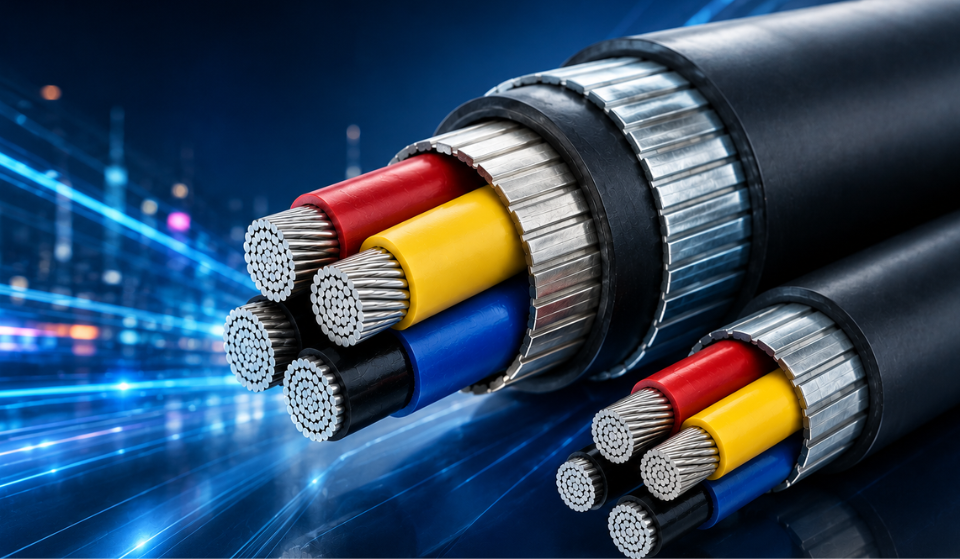
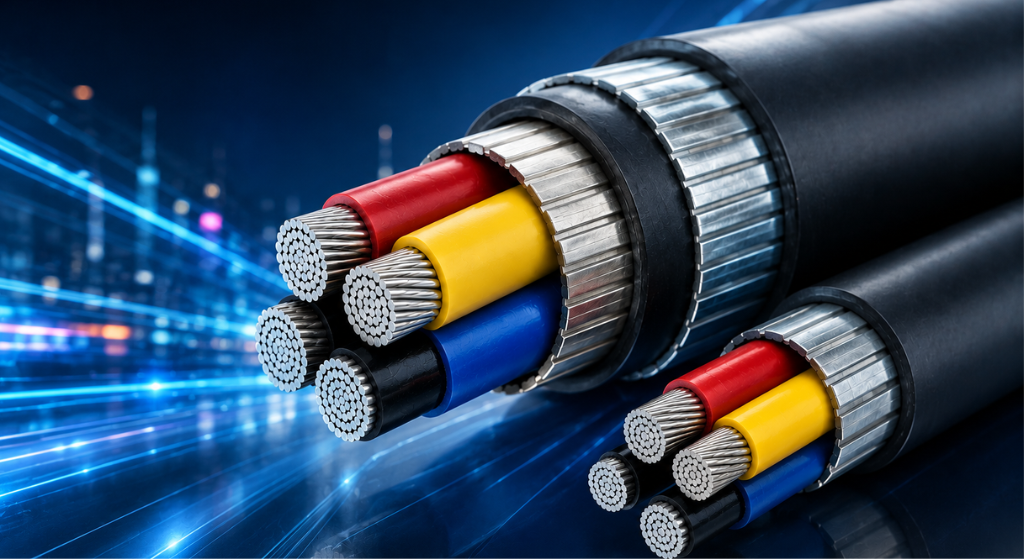
In modern electrical systems, cable performance plays a major role in ensuring safe and efficient power distribution. Among the various cable types available in the market, XLPE-insulated LT Power Cables have become a preferred choice for industrial, commercial, and infrastructure projects. Their advanced insulation technology provides superior electrical and mechanical properties, making them suitable for demanding applications.
This article explains the key benefits of XLPE-insulated cables and why they are widely used in low-voltage power distribution systems.
Understanding XLPE Insulation
XLPE stands for Cross-Linked Polyethylene. It is a specially treated polyethylene material that undergoes a cross-linking process to improve its thermal, electrical, and mechanical characteristics.
Unlike conventional PVC insulation, XLPE insulation offers better resistance to heat, moisture, chemicals, and environmental stress. This makes it ideal for low-tension power cables used in industries, commercial buildings, utility networks, and residential developments.
High Temperature Resistance
One of the biggest advantages of XLPE insulation is its ability to withstand higher operating temperatures.
Traditional PVC-insulated cables typically operate at temperatures up to 70°C. In comparison, XLPE-insulated cables can safely operate at temperatures up to 90°C under normal conditions and can tolerate even higher temperatures during short-circuit situations.
This higher temperature resistance allows cables to carry greater current loads without compromising safety or performance.
Improved Electrical Performance
XLPE insulation provides excellent dielectric strength, which improves the electrical efficiency of power transmission.
Benefits include:
- Lower power losses
- Better voltage regulation
- Reduced energy wastage
- Consistent electrical performance
As a result, electrical systems become more reliable and energy efficient, especially in industrial environments where uninterrupted power supply is essential.
Enhanced Durability and Long Service Life
Durability is a critical factor when selecting power cables for long-term projects.
XLPE insulation offers excellent resistance to:
- Mechanical stress
- Abrasion
- Impact damage
- Environmental aging
These properties help the cable maintain its performance over many years, reducing maintenance costs and replacement requirements.
Superior Moisture Resistance
Moisture can significantly affect cable performance and lead to insulation failure.
XLPE insulation has excellent resistance to water absorption, making it suitable for:
- Underground installations
- Outdoor applications
- Humid environments
- Industrial facilities
This moisture resistance improves operational reliability and reduces the risk of electrical faults.
Better Chemical Resistance
Many industrial environments expose cables to oils, chemicals, solvents, and corrosive substances.
XLPE-insulated cables are highly resistant to various chemicals, allowing them to perform effectively in challenging conditions. This makes them ideal for manufacturing plants, processing facilities, and infrastructure projects where exposure to harsh substances is common.
Higher Current Carrying Capacity
Because XLPE can withstand higher temperatures, it allows cables to carry more current compared to PVC-insulated alternatives of the same size.
This benefit helps:
- Improve power distribution efficiency
- Reduce cable sizing requirements
- Lower installation costs
- Optimize electrical system performance
Higher current carrying capacity is especially valuable in large industrial and commercial projects.
Excellent Short-Circuit Performance
Electrical faults and short circuits can generate extremely high temperatures.
XLPE insulation can withstand these temperature spikes better than many conventional insulation materials. This capability enhances overall system safety and minimizes the risk of severe cable damage during fault conditions.
Lightweight and Easy Installation
Despite its strength and durability, XLPE-insulated cable remains relatively lightweight.
This makes installation easier and provides several advantages:
- Faster cable laying
- Reduced labor requirements
- Easier handling during transportation
- Lower installation costs
Contractors and project managers often prefer XLPE cables because they simplify installation processes.
Environmental Benefits
Modern electrical projects increasingly focus on sustainability and environmental responsibility.
XLPE insulation contributes by:
- Reducing energy losses
- Offering longer service life
- Minimizing replacement frequency
- Supporting efficient power distribution
These advantages help lower the overall environmental impact of electrical infrastructure.
Common Applications of XLPE-Insulated LT Power Cables
XLPE-insulated low-tension cables are widely used in:
- Industrial plants
- Manufacturing facilities
- Commercial buildings
- Residential complexes
- Power distribution networks
- Infrastructure projects
- Data centers
- Utility installations
Their versatility makes them suitable for a wide range of electrical applications.
Choosing the Right Cable
When selecting XLPE-insulated power cables, it is important to consider:
- Voltage requirements
- Current load capacity
- Installation conditions
- Environmental exposure
- Industry standards and certifications
Working with a trusted cable manufacturer ensures that the selected cable meets project specifications and safety requirements.
Conclusion
XLPE-insulated LT Power Cables offer numerous advantages, including higher temperature resistance, superior electrical performance, moisture protection, chemical resistance, and extended service life. These benefits make them a reliable choice for modern power distribution systems across industrial, commercial, and residential sectors.
As electrical infrastructure continues to evolve, XLPE technology remains one of the most effective solutions for ensuring safe, efficient, and long-lasting power transmission.
FAQs
XLPE stands for Cross-Linked Polyethylene, a high-performance insulation material used to improve cable durability, thermal resistance, and electrical efficiency.
XLPE cables offer higher temperature resistance, better electrical performance, greater durability, and improved moisture resistance compared to PVC cables.
They are used in industrial plants, commercial buildings, residential projects, utility networks, and infrastructure developments.
Yes, XLPE insulation provides excellent moisture resistance, making it ideal for underground cable installations.
XLPE-insulated cables typically operate safely at temperatures up to 90°C under normal conditions.
Yes, their strong resistance to heat, moisture, chemicals, and mechanical stress contributes to a longer service life.
Yes, their superior thermal properties allow them to carry higher current loads compared to many conventional insulated cables.
Yes, their durability, reduced maintenance needs, and long operational life make them a cost-effective solution over time.