Aluminium Wires: The Smart Choice for Modern Electrical Projects
June 9, 2026

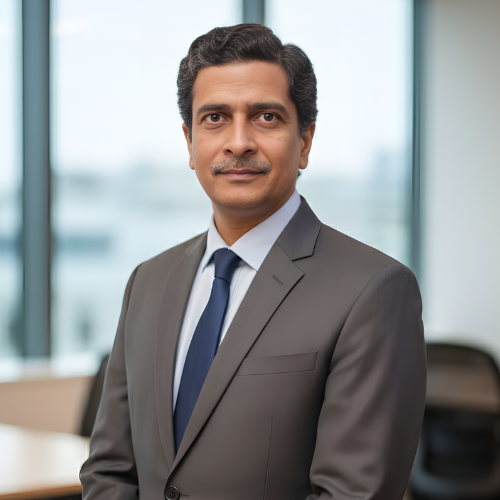
Mr. Ved Prakash is the CFO Susan Electricals India Limited (formerly known as Susan Electricals India Private Limited). He has completed Bachelor of Commerce from RSS Degree College Pilkhuwa in the year 1994.He has 16 years of experience in finance and accounts. He has been associated with the Company for the past 16 years and currently serves as the Chief Financial Officer. During his tenure, he has played a key role in managing the Company’s accounting functions, financial reporting, budgeting, and statutory compliances. His in-depth understanding of the Company’s operations and strong financial acumen contribute significantly to the Company’s financial discipline and growth.
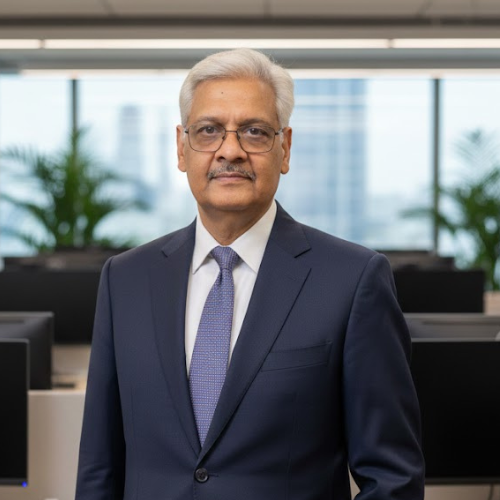
Mr. Sushil Kumar Poddar is a Fellow Chartered Accountant (FCA) and a seasoned finance professional with over 25 years of experience in audit, taxation, corporate advisory, and regulatory compliance. He is a member of the Institute of Chartered Accountants of India (ICAI) and has been in professional practice since 2004. With extensive expertise in audit and assurance, direct and indirect taxation, corporate and financial advisory, accounting, financial reporting, and statutory compliance, Mr. Poddar brings strong financial acumen and independent judgment to the Board. His deep understanding of governance, risk management, and compliance matters makes him well-suited to contribute effectively as an Independent Director.

Mrs. Sonal Jain is the Independent Director Susan Electricals India Limited (formerly known as Susan Electricals India Private Limited). She is a Fellow member of Institute of Company Secretaries of India. She has immense knowledge and over a decade of experience in diversified matters related to corporate laws, Secretarial matters, Trademark Registration, Incorporation of various entities, ISO Registrations, Bank Due Diligence, FEMA Law and other various Laws
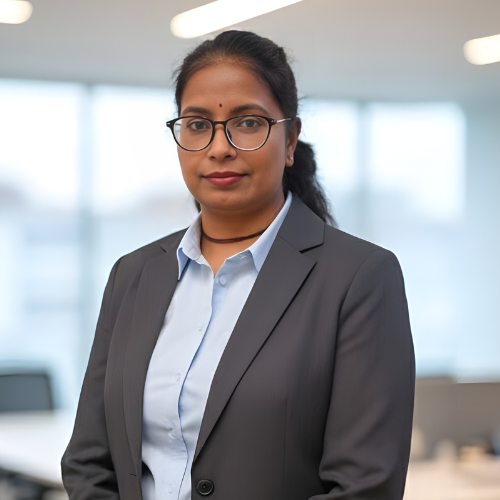
Mrs. Reshma Shukla is the Company Secretary & Compliance Officer of Susan Electricals India Limited (formerly known as Susan Electricals India Private Limited). She holds a Bachelor degree in Commerce (B.Com) from Calcutta University. She is a qualified company secretary. She has an experience of more than 8 years. Previously, she has worked with IKIO Technologies Limited (formerly known as IKIO Lighting Limited) and Metrro Waste Handling Private Limited.
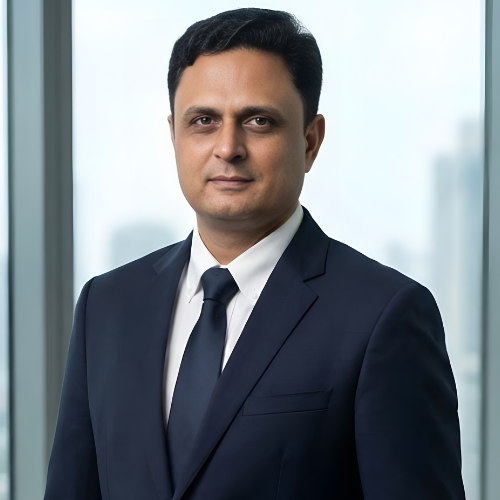
Mr. Manoj Kumar is the Independent Director of our Company. He has completed Bachelor of Science from Dr. Bhimrao Ambedkar University, Agra in the year 2023. He possesses 21 years of experience in Handling bulk dispatch and mailing of legal notices and official communication and other related services through his Proprietorship firm, JMD enterprises
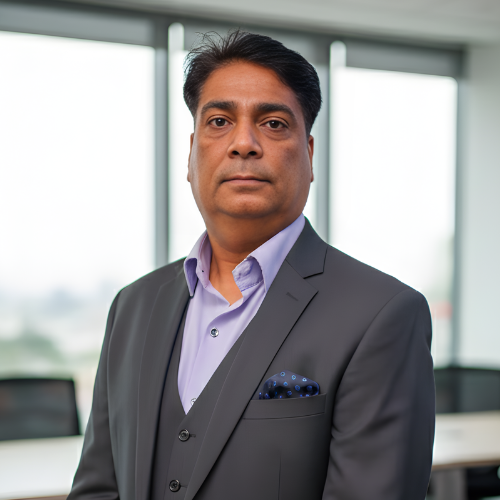
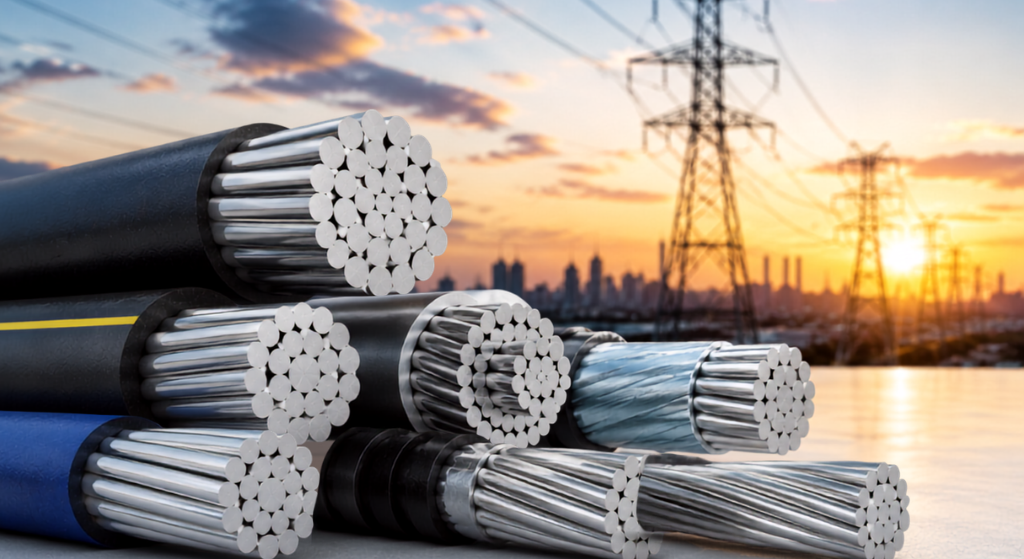
Mr. Lalit Sharma is a graduate of the University of Delhi and currently serves as the Whole-Time Director of Susan Electricals India Limited. He plays a key role in the strategic leadership, operational management and growth of the organization. Susan Electricals India Limited is engaged in the manufacturing of aluminium wires and cables, catering to diverse industrial and infrastructure requirements. With his strong academic foundation and hands-on leadership approach, Mr. Sharma actively overall production operations, quality standards, and business development initiatives.
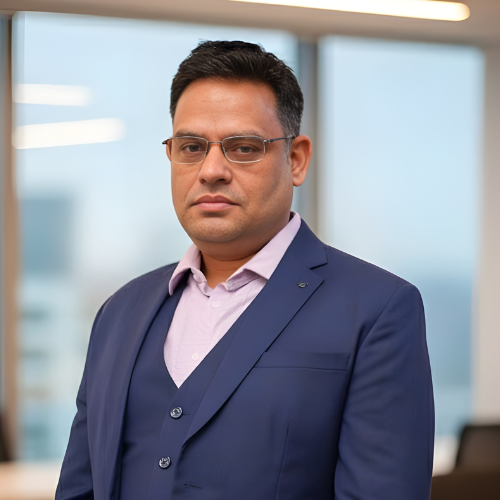
Mr. Vindo Kumar Pujari is a seasoned professional with a strong academic background in commerce and law. He completed his Bachelor of Commerce (B.Com) and Bachelor of Laws (LLB) from CCS University in 2002. With a blend of financial and legal expertise, Mr. Pujari brings valuable insight into corporate governance, compliance, and business operations. He is currently serving as the Whole-Time Director of Susan Electricals India Limited a company engaged in the manufacturing of aluminium wires and cables. In his role as Whole-Time Director, Mr. Pujari is actively involved in strategic planning, operational management, and regulatory oversight, contributing to the company’s growth, quality standards, and long-term sustainability. His leadership and professional experience support the organization’s commitment to delivering reliable electrical solutions to the market.
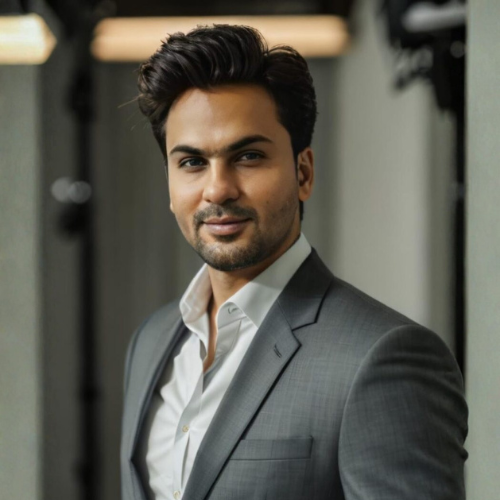
Mr. Vishal Jain is an Indian entrepreneur and corporate leader with deep expertise in the electrical manufacturing sector, particularly in cables and conductors. He is the Founder, Managing Director, and Chairman of Susan Electricals India Limited, a Delhi-based manufacturing company focused on producing high wires and cables. With over 20 years of experience in corporate governance and business operations, Mr. Jain has driven the company from its inception to a recognized position in the wires and cables industry. His leadership combines strategic vision with hands-on operational guidance, enabling growth, innovation, and sustained customer focus.