HT Cables | Reliable Power Transmission Solutions
May 28, 2026
Aluminium Wires: The Smart Choice for Modern Electrical Projects
June 9, 2026
Introduction
Electricity is the backbone of modern infrastructure, powering homes, commercial buildings, industries, and public utilities. To ensure safe and efficient electricity transmission, high-quality cable systems are essential. Among the most widely used electrical cables are LT power cables, which play a critical role in distributing electrical energy across various applications.
Designed for low-voltage power transmission, LT power cables offer excellent reliability, durability, and performance. They are extensively used in industrial plants, residential complexes, commercial buildings, power distribution networks, and infrastructure projects. Their ability to deliver stable power while maintaining safety standards makes them an important component of modern electrical systems.
What Are LT Power Cables?
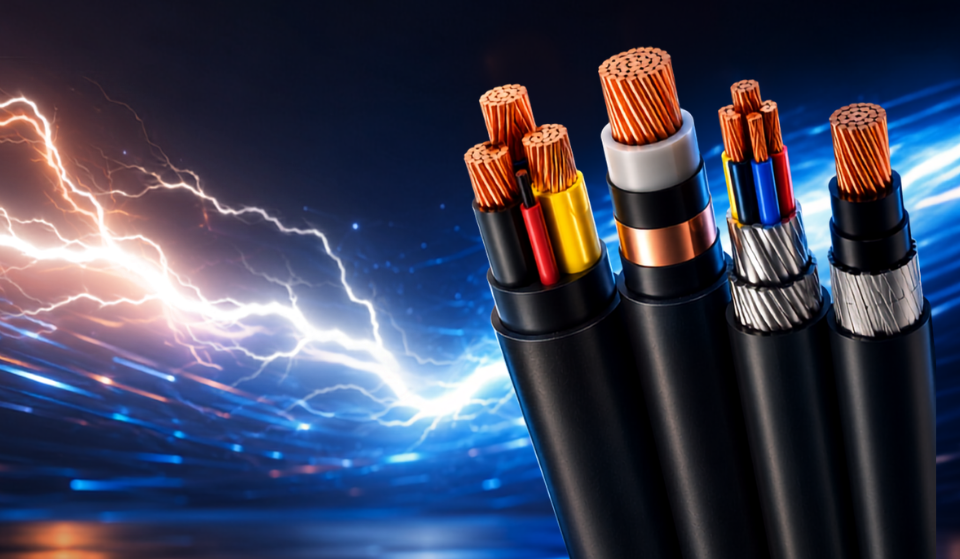
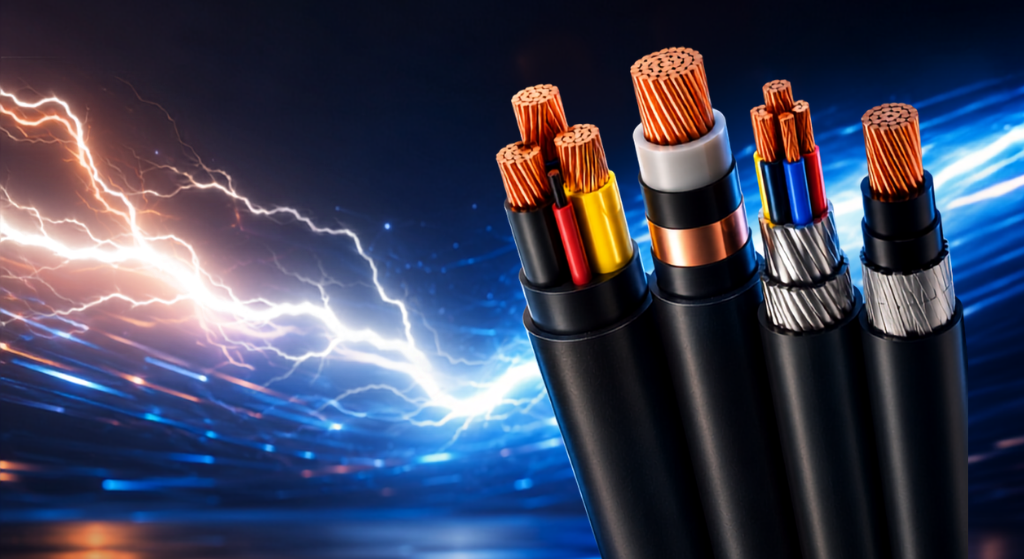
Low Tension or LT power cables are electrical cables designed for transmitting electrical power at voltages typically up to 1.1 kV. These cables are manufactured using high-quality conductors, advanced insulation materials, and protective sheathing to ensure safe and efficient operation.
They are available in different configurations, including single-core and multi-core designs, depending on the specific application requirements. These cables are engineered to provide dependable electrical performance while withstanding environmental and mechanical stresses.
Importance of LT Power Cables
A reliable power distribution network depends heavily on the quality of cables used in the system. Poor-quality cables can lead to energy losses, overheating, equipment damage, and safety risks.
High-performance LT power cables help ensure smooth electricity flow, minimize power loss, and improve the overall efficiency of electrical installations. Their robust construction enables them to perform consistently even under demanding operating conditions.
As industries and businesses continue to increase their dependence on electrical equipment, the need for efficient and durable cable solutions becomes even more important.
Key Features of LT Power Cables
Superior Electrical Performance
One of the primary advantages of LT power cables is their ability to transmit electricity efficiently. High-quality conductors reduce resistance and improve power delivery, helping to maintain stable system performance.
High Mechanical Strength
These cables are designed to withstand mechanical stress during installation and operation. Their strong construction helps prevent damage caused by bending, pulling, and vibration.
Excellent Insulation Properties
Advanced insulation materials provide protection against electrical leakage and short circuits. This enhances operational safety and contributes to longer cable life.
Resistance to Environmental Conditions
Modern LT cables are manufactured to resist moisture, heat, chemicals, and other environmental factors. This makes them suitable for both indoor and outdoor installations.
Long Service Life
The use of premium materials and advanced manufacturing techniques ensures a longer operational lifespan, reducing maintenance and replacement costs.
Applications of LT Power Cables
Improved Energy Efficiency
High-quality conductors reduce transmission losses and improve energy efficiency throughout the electrical network.
Enhanced Safety
Proper insulation and protective sheathing minimize the risk of electrical faults, improving safety for both equipment and personnel.
Reduced Maintenance Costs
Durable construction reduces wear and tear, leading to fewer repairs and lower maintenance expenses over time.
Reliable Performance
Consistent power transmission helps maintain the efficiency of electrical equipment and reduces the risk of unexpected downtime.
Cost-Effective Solution
Although premium cables may require a higher initial investment, their long lifespan and dependable performance provide excellent value in the long run.
Factors to Consider When Choosing LT Power Cables
Selecting the right cable is crucial for achieving optimal performance and safety. Several factors should be evaluated before making a purchase.
Conductor Material
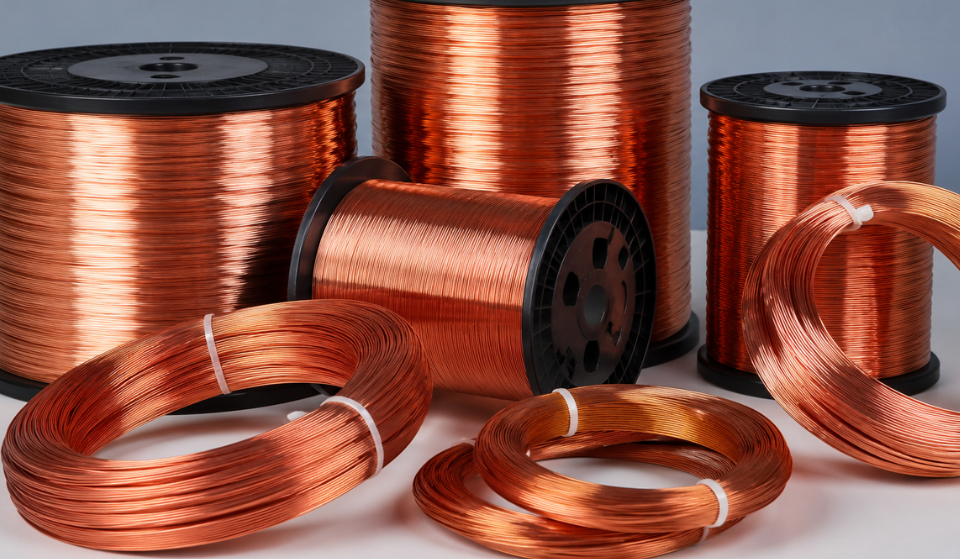
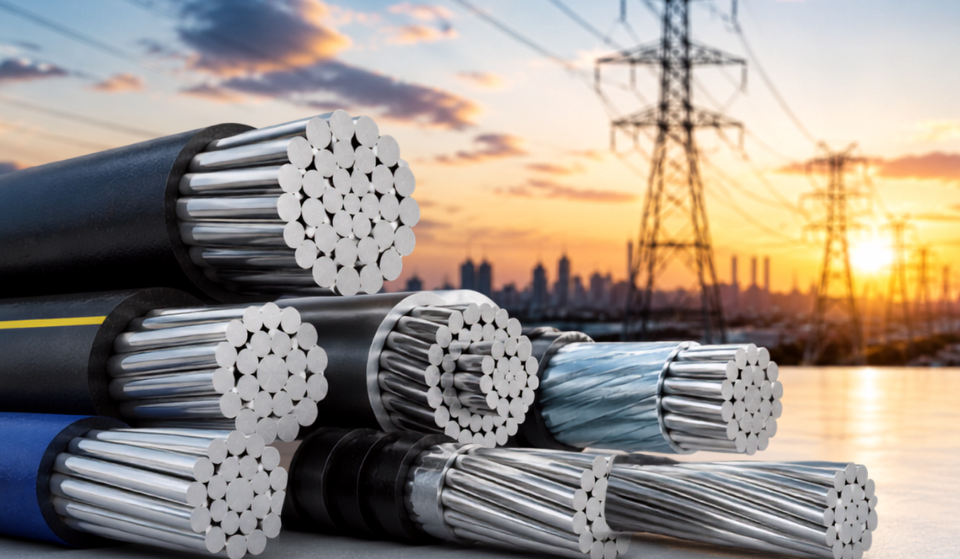
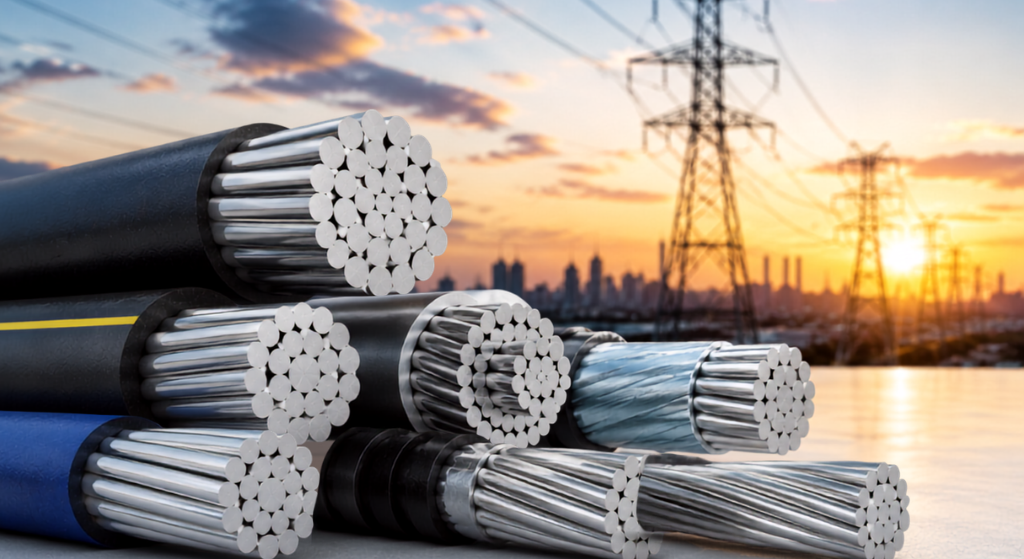
Copper and aluminum are commonly used conductor materials. Copper offers excellent conductivity, while aluminum provides a lightweight and economical alternative.
Current Carrying Capacity
The cable must be capable of handling the expected electrical load without overheating.
Insulation Type
Different insulation materials offer varying levels of protection against heat, moisture, and environmental conditions.
Installation Environment
Indoor, outdoor, underground, and industrial installations may require specific cable designs to ensure reliable operation.
Compliance with Standards
Always select cables that meet national and international quality standards to ensure safety and performance.
Manufacturing Quality and Standards
Leading cable manufacturers follow strict quality control procedures throughout the production process. Raw materials are carefully selected, and every stage of manufacturing is monitored to maintain product consistency.
Comprehensive testing is performed to evaluate conductor resistance, insulation quality, voltage performance, mechanical strength, and durability. These tests ensure that the cables meet industry requirements and provide reliable service under real-world operating conditions.
Modern manufacturing facilities utilize advanced technology to produce cables that deliver superior performance and long-term reliability.
Future of LT Power Cables
As industries continue to modernize and energy demand grows, the role of LT power distribution systems will become increasingly important. Innovations in cable design, insulation technology, and manufacturing processes are helping improve efficiency and sustainability.
Future cable solutions are expected to offer enhanced durability, greater energy efficiency, and improved environmental performance. These advancements will support the growing needs of smart infrastructure, renewable energy projects, and modern industrial applications.
Conclusion
LT power cables are essential components of modern electrical distribution systems. Their ability to provide safe, efficient, and reliable power transmission makes them suitable for residential, commercial, industrial, and infrastructure applications. With superior electrical performance, strong mechanical properties, and long service life, LT power cables continue to play a vital role in supporting modern energy networks. Investing in high-quality LT power cables ensures improved safety, enhanced efficiency, and dependable performance for years to come.
Frequently Asked Questions (FAQs)
LT power cables are used for low-voltage electrical power transmission in residential, commercial, industrial, and infrastructure projects.
LT stands for Low Tension, referring to cables designed for voltage ratings typically up to 1.1 kV.
Copper and aluminum are the most commonly used conductor materials in LT cable manufacturing.
Yes, many LT cables are specifically designed to withstand outdoor environmental conditions, including moisture and heat.
The lifespan depends on installation conditions and quality, but premium LT cables can provide reliable performance for several decades with proper maintenance.
Insulation protects against electrical leakage, short circuits, and environmental damage, ensuring safe and efficient operation.
Tag:-LT power cables