Aluminium Winding Wires Manufacturer | Best Quality Winding Wires in India
May 26, 2026
LT Power Cables with Superior Performance
June 3, 2026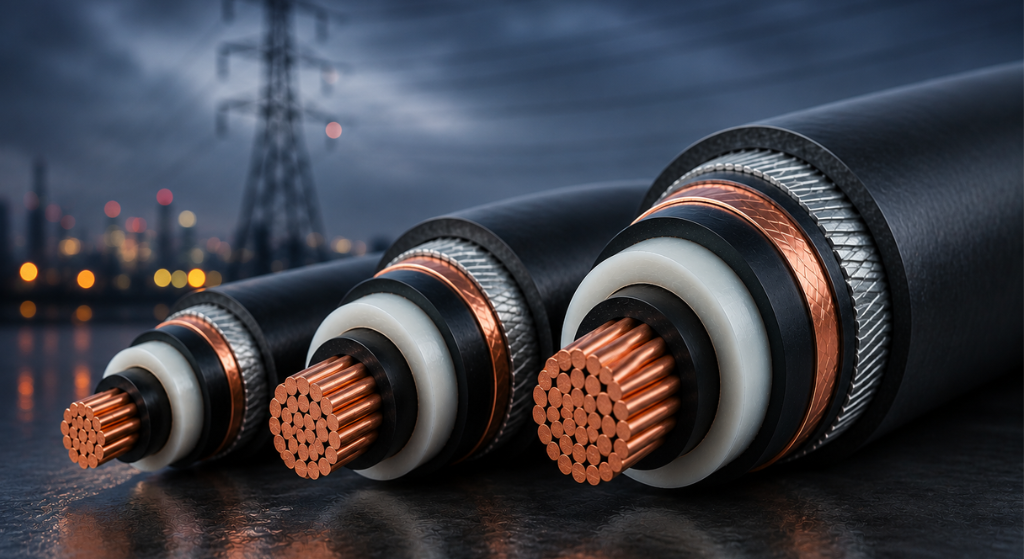
Electricity is the backbone of modern infrastructure, industries, and commercial operations. From manufacturing plants and power stations to commercial buildings and smart cities, every sector depends on reliable electrical systems for smooth operations. One of the most important components in these systems is HT Cables. These cables are specially designed to handle high-voltage power transmission safely and efficiently across long distances.
High-tension cables play a major role in maintaining uninterrupted electricity supply for industries and infrastructure projects. Their advanced design, durable insulation, and excellent conductivity make them an ideal choice for modern electrical applications.
What Are HT Cables?
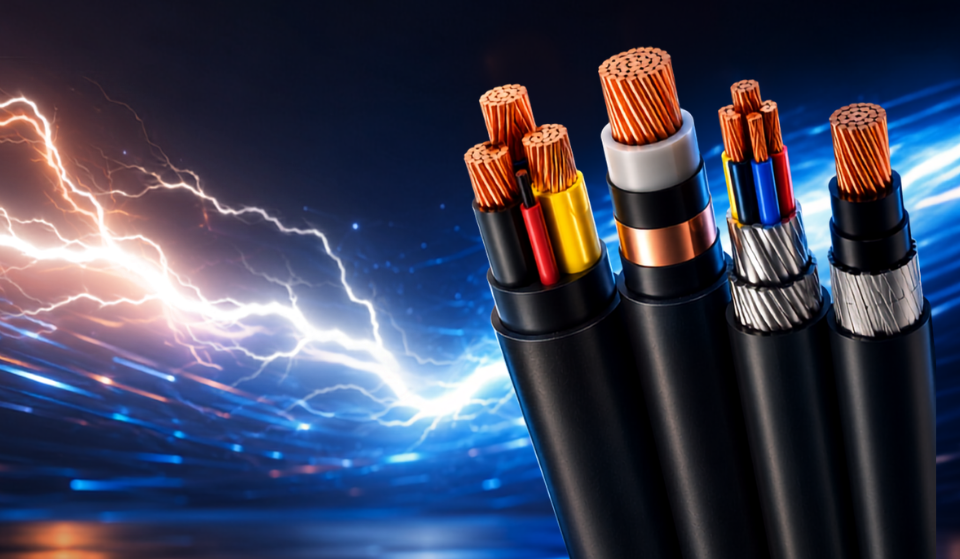
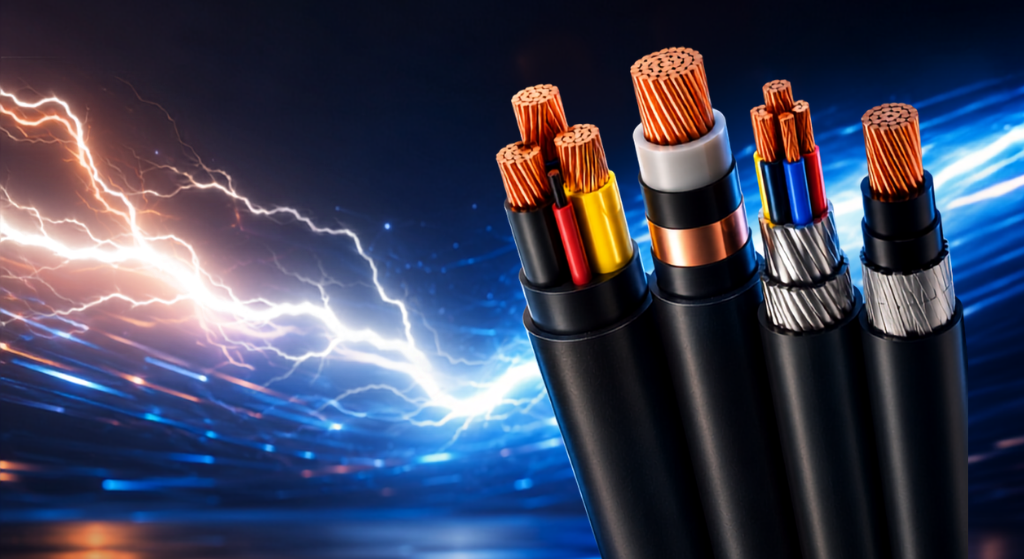
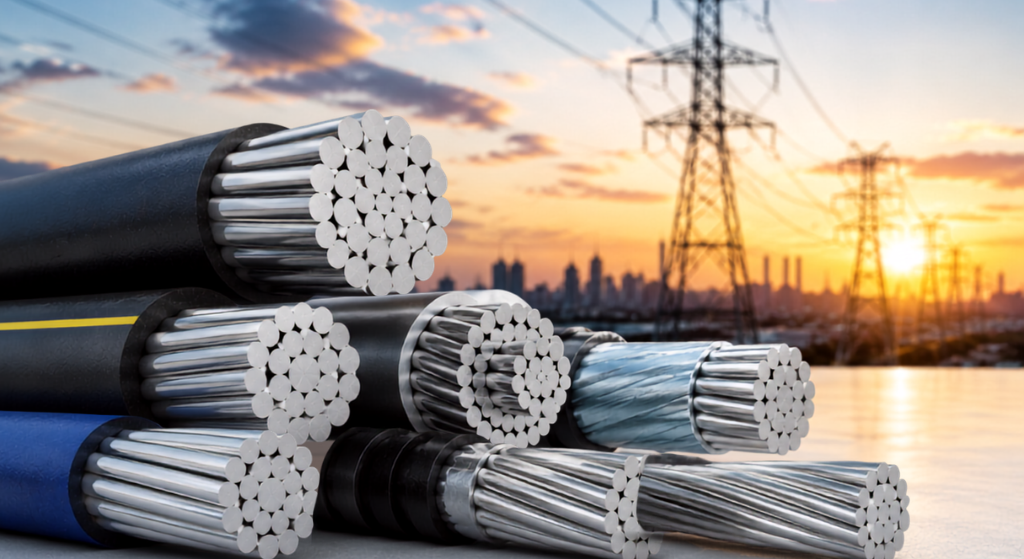
HT Cables are High Tension cables used for transmitting electrical power at high voltage levels. These cables are commonly used in industries, power plants, substations, and commercial projects where large amounts of electricity need to be transmitted efficiently.
These cables are manufactured using premium-quality conductors such as copper or aluminium along with advanced insulation materials. This combination improves safety, reduces energy loss, and ensures long-lasting performance.
HT cables are available in different sizes and specifications depending on the application requirements. They are designed to withstand high electrical loads, harsh environmental conditions, and continuous operations.
Importance of HT Cables in Power Transmission
Reliable power transmission is essential for industrial growth and infrastructure development. Modern industries use heavy machinery, automated systems, and digital technologies that require continuous electricity supply.
HT cables help transmit electricity safely over long distances with minimal power loss. Their strong insulation system protects against electrical faults, short circuits, and environmental damage. Because of these advantages, HT cables are widely used in power distribution systems across multiple sectors.
Key Features of HT Cables
The growing demand for efficient electrical infrastructure has increased the importance of high-quality HT cable systems. Some important features include:
Feature | Benefits |
High Electrical Conductivity | Ensures smooth power transmission with minimal energy loss |
Strong Insulation | Provides protection against electrical leakage and faults |
Heat Resistance | Handles high temperatures safely |
Durable Construction | Offers long service life and reliable performance |
Corrosion Resistance | Suitable for harsh environmental conditions |
Low Maintenance | Reduces operational and repair costs |
Fire Safety | Helps improve safety in industrial and commercial spaces |
Applications of HT Cables
HT cables are widely used in different sectors because of their reliability and performance.
Industrial Applications
Factories and manufacturing units require continuous power supply for heavy machinery and production systems. HT cables ensure stable electricity distribution for industrial operations.
Power Plants and Substations
Power generation and distribution systems depend on HT cables for safe transmission of electricity between substations and electrical networks.
Commercial Buildings
Large commercial complexes, shopping malls, hotels, and office buildings use HT cables to support high electrical loads and maintain smooth operations.
Infrastructure Projects
Modern infrastructure projects including airports, metro systems, smart cities, and railway networks require dependable high-voltage cable systems.
Renewable Energy Projects
Solar plants and wind energy systems use HT cables for efficient power transmission and grid connectivity.
Benefits of Using High-Quality HT Cables
Choosing premium-quality HT cables offers several long-term benefits for industries and infrastructure projects.
- Improved Safety
Advanced insulation and protective layers reduce the risk of electrical shocks, short circuits, and fire hazards.
- Efficient Power Transmission
High-quality conductors help reduce power loss and improve electrical efficiency.
- Long Service Life
Durable materials and advanced manufacturing processes increase cable lifespan and reduce maintenance requirements.
- Better Performance
Reliable HT cables ensure uninterrupted electricity supply for critical operations.
- Cost Savings
Although high-quality cables may have a higher initial cost, they help reduce maintenance, downtime, and energy expenses over time.
How HT Cables Support Smart Infrastructure
Modern smart infrastructure depends on efficient electrical systems. Smart buildings, digital monitoring systems, automation technologies, and renewable energy solutions all require dependable power distribution networks.
HT cables support smart infrastructure by ensuring stable power supply, energy efficiency, and system safety. Their ability to handle high electrical loads makes them suitable for advanced industrial and commercial applications.
As cities become smarter and industries adopt modern technologies, the demand for reliable HT cable solutions continues to grow rapidly.
Factors to Consider Before Choosing HT Cables
Selecting the right cable is important for electrical safety and operational efficiency. Industries should consider the following factors before purchasing HT cables:
Factor | Importance |
Voltage Rating | Determines cable suitability for electrical load |
Conductor Material | Copper and aluminium offer different performance benefits |
Insulation Quality | Improves safety and durability |
Environmental Conditions | Ensures cable performance in different climates |
Fire Resistance | Enhances electrical safety |
Cable Size | Supports efficient power transmission |
Industry Standards | Ensures product quality and compliance |
Choosing cables from a trusted manufacturer helps ensure reliability, safety, and long-term performance.
Maintenance Tips for HT Cables
Proper maintenance can improve cable efficiency and extend service life. Some simple maintenance practices include:
- Conduct regular cable inspections
- Avoid overloading electrical systems
- Protect cables from moisture and physical damage
- Use proper installation methods
- Replace damaged cables immediately
- Monitor cable temperature during operation
Routine maintenance helps prevent electrical failures and improves system reliability.
Future of HT Cable Technology
The future of electrical infrastructure is becoming more advanced and energy-efficient. Industries are focusing on automation, renewable energy, and smart electrical systems. Because of this, HT cable technology is also evolving rapidly.
Future-ready cable solutions will focus on:
- Higher energy efficiency
- Better fire resistance
- Environment-friendly materials
- Smart monitoring systems
- Enhanced durability
- Reduced maintenance requirements
These advancements will help industries improve productivity while supporting sustainable infrastructure development.
Conclusion
Reliable electrical infrastructure is essential for industrial growth and modern development. High-performance HT Cables play a critical role in ensuring safe, efficient, and uninterrupted power transmission across multiple sectors.
From industries and commercial buildings to renewable energy projects and smart infrastructure, HT cables support the growing demand for advanced electrical systems. Choosing high-quality cable solutions helps improve safety, reduce energy loss, and enhance operational performance.
As technology continues to evolve, HT cable systems will remain an important part of future-ready electrical infrastructure and sustainable power distribution networks.
FAQs
HT cables are used for transmitting high-voltage electricity in industries, substations, power plants, and infrastructure projects.
HT cables are designed for high-voltage power transmission, while LT cables are used for low-voltage electrical distribution.
HT cables provide stable and efficient power transmission for heavy machinery and industrial operations.
HT cables are commonly manufactured using copper or aluminium conductors.
They reduce electrical resistance and minimize power loss during electricity transmission.
Tag:- HT Cables