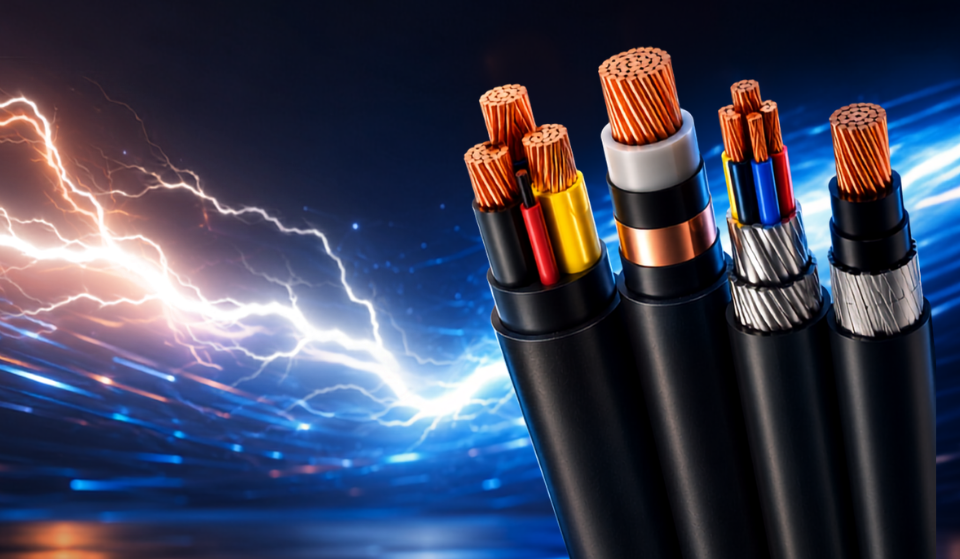
Best Underground HT Cables for Safe Power Transmission
May 8, 2026
Who Is the Best Aluminium Winding Wires Manufacturer in India?
May 14, 2026
In today’s modern world, electricity plays a very important role in homes, industries, offices, and large infrastructure projects. To deliver electricity safely over long distances, power companies use high voltage cables. These cables carry a large amount of electrical energy from power stations to substations and different locations. However, without proper insulation, these cables can become dangerous and inefficient. That is why high voltage cable insulation is one of the most important parts of any power transmission system.
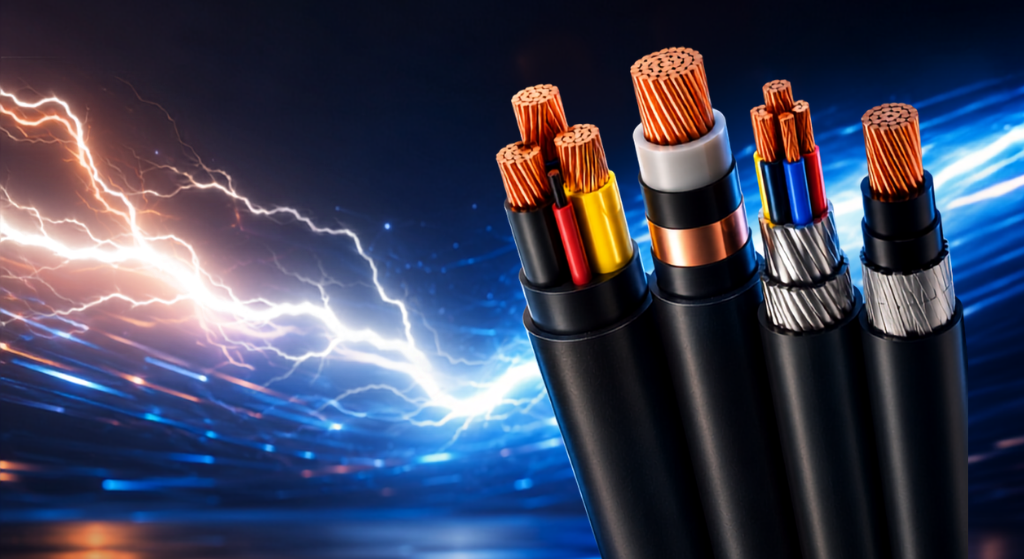
Cable insulation acts as a protective layer around the conductor. It prevents leakage of electrical current, protects the cable from damage, and ensures smooth power transmission. Good insulation improves safety, performance, and the overall life of electrical systems. In this blog, we will understand why cable insulation is so important, its benefits, types, and applications in power transmission systems.
What Is High Voltage Cable Insulation?
High voltage cable insulation is a non-conductive material used to cover electrical conductors in high voltage cables. Its main purpose is to stop electrical current from escaping and protect the cable from external environmental conditions.
Insulation materials are specially designed to handle high electrical stress, heat, moisture, chemicals, and mechanical pressure. These materials help maintain stable electrical performance even in difficult operating conditions.
Different insulation materials are used in power cables depending on the application, voltage level, and environmental conditions.
Importance of Cable Insulation in Power Transmission
- Ensures Electrical Safety
Safety is the biggest reason why insulation is important. High voltage cables carry dangerous levels of electricity. Without insulation, electrical leakage can occur, which may cause electric shocks, short circuits, fires, or accidents.
Proper insulation protects workers, equipment, and nearby structures from electrical hazards. It creates a safe barrier between the conductor and the outside environment.
- Prevents Power Loss
During power transmission, electricity travels through cables over long distances. If cables are not properly insulated, electrical energy can leak out. This leads to energy loss and reduced system efficiency.
Good insulation helps keep the current inside the conductor, ensuring efficient power transmission with minimum energy loss.
- Protects Against Moisture and Environmental Damage
High voltage cables are often installed underground, underwater, or in outdoor environments. Exposure to water, humidity, sunlight, chemicals, and dust can damage cables over time.
Insulation acts as a protective shield against moisture and environmental factors. It helps increase the life of cables and reduces maintenance costs.
- Improves Cable Durability
Power cables experience heat, vibration, pressure, and mechanical stress during operation. Strong insulation materials protect cables from wear and tear.
This improves cable durability and ensures long-term performance even under heavy electrical loads.
- Reduces Risk of Short Circuits
When electrical conductors come into contact with each other or with external objects, short circuits can occur. Short circuits can damage electrical systems and cause serious safety problems.
Insulation keeps conductors separated and reduces the possibility of electrical faults and system failures.
Common Types of High Voltage Cable Insulation
Different types of insulation materials are used in high voltage cables. Each material offers specific benefits depending on the application.
XLPE Insulation
Cross-Linked Polyethylene or XLPE is one of the most commonly used insulation materials for high voltage cables. It offers excellent thermal resistance, electrical strength, and moisture protection.
Benefits of XLPE insulation:
- High temperature resistance
- Long service life
- Excellent electrical performance
- Low maintenance
PVC Insulation
Polyvinyl Chloride or PVC is another widely used insulation material. It provides good flexibility and chemical resistance.
Benefits of PVC insulation:
- Cost-effective
- Durable
- Resistant to chemicals and moisture
- Easy installation
EPR Insulation
Ethylene Propylene Rubber or EPR insulation is used in cables that require flexibility and heat resistance.
Benefits of EPR insulation:
- Flexible design
- Good thermal stability
- Moisture resistant
Paper Insulation
Paper-insulated cables were traditionally used in power transmission systems. Though modern materials are more popular today, paper insulation is still used in some specialized applications.
Applications of High Voltage Insulated Cables
High voltage insulated cables are used in many industries and infrastructure projects.
Power Transmission Networks
These cables are widely used for transmitting electricity from power generation stations to substations and distribution systems.
Industrial Plants
Industries use high voltage cables for operating heavy machinery and electrical equipment safely.
Underground Cable Systems
Insulated cables are commonly installed underground in cities and urban areas where overhead lines are not practical.
Renewable Energy Projects
Solar plants and wind farms use insulated power cables for efficient energy transmission.
Railways and Metro Systems
Modern railway and metro networks require insulated high voltage cables for reliable electrical supply.
Features of Good High Voltage Cable Insulation
A high-quality insulation system should provide the following features:
- High dielectric strength
- Heat resistance
- Moisture protection
- Chemical resistance
- Mechanical durability
- Long operational life
- Fire resistance
These properties help ensure safe and efficient electrical performance.
How Insulation Improves System Efficiency
Power transmission systems must operate efficiently to reduce energy waste and operational costs. Poor insulation can lead to electrical leakage, overheating, and equipment damage.
Good insulation helps:
- Maintain stable voltage
- Reduce transmission losses
- Improve energy efficiency
- Lower maintenance costs
- Increase equipment reliability
This makes insulation an important part of modern electrical infrastructure.
Importance in Underground Power Cables
Underground cables require strong insulation because they are exposed to moisture, soil pressure, and temperature variations. Proper insulation prevents cable damage and ensures reliable power transmission.
Modern underground cable systems mostly use XLPE insulation because of its excellent electrical and thermal properties.
Future of High Voltage Cable Insulation
As electricity demand increases, power transmission systems are becoming more advanced. Modern insulation technologies are helping improve cable efficiency, safety, and durability.
Manufacturers are developing eco-friendly and high-performance insulation materials that can handle higher voltages and harsh environmental conditions.
Smart grid systems, renewable energy projects, and urban infrastructure development are increasing the demand for advanced insulated power cables.
Conclusion
High voltage cable insulation plays a critical role in safe and efficient power transmission. It protects cables from electrical leakage, moisture, heat, and environmental damage while improving overall system performance.
Without proper insulation, power transmission systems would face energy loss, equipment failure, and serious safety risks. High-quality insulated cables ensure reliable electricity supply for industries, commercial buildings, transportation systems, and residential areas.
As modern electrical infrastructure continues to grow, the importance of advanced cable insulation technology will also increase. Choosing the right insulation material helps improve safety, durability, and efficiency in every power transmission project.